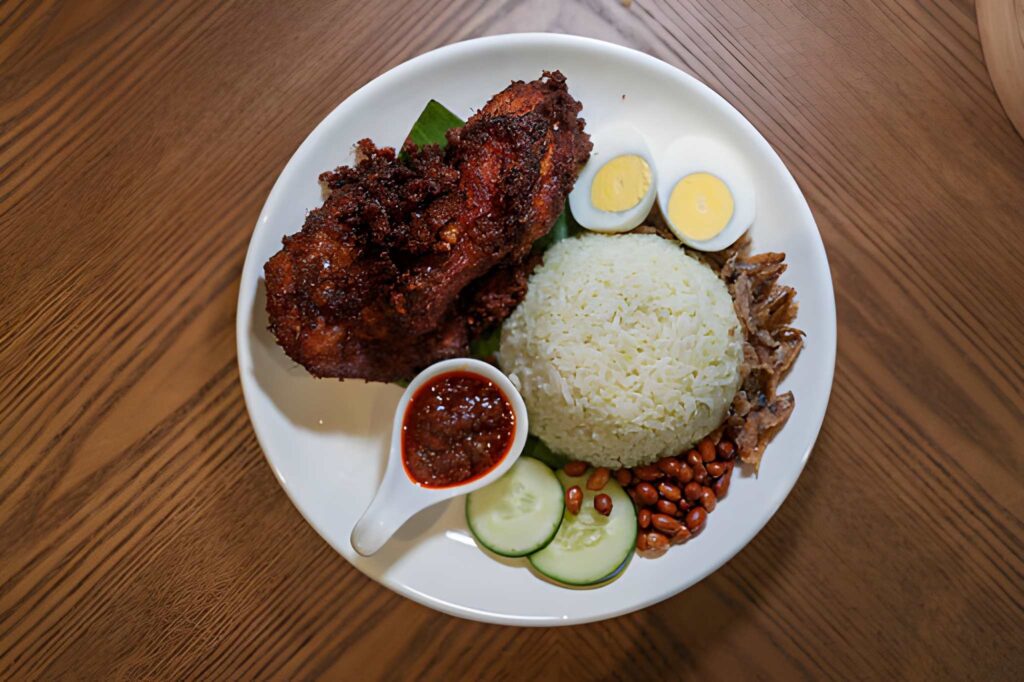

Malaysian sambal is a spicy chili paste made from ground chilies, shrimp paste, garlic, and other ingredients. It tastes hot, tangy, and savory all at once. Malaysians use it as a condiment, cooking ingredient, or dipping sauce to add flavor and heat to almost any dish.
Walk into any Malaysian kitchen and you’ll find sambal. It’s not just one sauce, it’s dozens of variations. Each family has their own recipe passed down through generations.
What Makes Sambal Special?
Sambal isn’t like hot sauce from a bottle. It’s fresh, complex, and alive with flavors. The base is always chilies, but that’s where the similarity ends.
Most sambals include shrimp paste called belacan. This fermented ingredient smells strong but adds depth you can’t get anywhere else. Garlic, shallots, and lime juice round out the flavor.
Some versions are chunky. Others are smooth as butter. The heat level ranges from mild to “why did I eat that?”
Common Types of Malaysian Sambal
Sambal Belacan
This is the classic. Raw sambal belacan appears at almost every Malaysian meal. You make it by pounding chilies with toasted belacan and a squeeze of lime.
It’s bright red and wickedly spicy. Malaysians eat it with rice, fried fish, or fresh vegetables. The flavor hits you immediately: hot, salty, and sour.
Sambal Tumis
This cooked version is milder and sweeter. You fry the ingredients in oil until they’re soft and fragrant. Sugar or tamarind adds sweetness that balances the heat.
Sambal tumis works as a base for other dishes. It keeps in the fridge for weeks, making it super practical for busy cooks.
Sambal Ikan Bilis
Tiny dried anchovies get fried crispy, then mixed with sambal. The result is crunchy, spicy, and addictive. You can’t eat just one spoonful.
This version is less about heat and more about texture. The fish adds protein and a salty crunch that’s perfect with plain rice.
Sambal Petai
Petai are stink beans: they smell weird but taste great. This sambal combines them with shrimp and lots of chili paste. It’s an acquired taste, but Malaysians love it.
The beans are soft and slightly bitter. They cut through the spiciness in a way that makes sense once you try it.
Sambal Hijau
Green sambal uses green chilies instead of red ones. It’s fresher tasting and often less spicy. Some versions include Thai basil or coriander leaves.
This one’s great if you want flavor without the extreme heat. It pairs well with grilled chicken or steamed fish.
What Does It Taste Like?
Sambal hits all your taste buds at once. The heat comes first, that sharp chili burn that makes you reach for water. Then you get the savory punch from the shrimp paste.
The sourness from lime or tamarind cuts through the richness. Garlic adds earthiness. Shallots bring sweetness. It’s a complete flavor bomb in one spoonful.
Fresh sambal tastes brighter than cooked versions. Cooked sambal is deeper and mellower. Neither is better, they’re just different tools for different jobs.
How Malaysians Use Sambal
Sambal isn’t just a side dish. It’s a cooking ingredient, a condiment, and sometimes the main attraction.
Mix it into fried rice for nasi goreng. Spread it on bread for a spicy sandwich. Stir it into noodles. Marinate chicken with it before grilling.
Some people eat it straight with rice and nothing else. Others use just a tiny dab to add heat. There’s no wrong way to eat sambal.
Seafood loves sambal. Grilled fish with sambal belacan is a Malaysian classic. Stir-fried prawns in sambal tumis appear at every celebration. The spice cuts through the richness of the seafood perfectly.
Vegetables get the sambal treatment too. Water spinach fried with sambal turns a boring green into something exciting. Eggplant soaked in spicy sambal becomes a main dish.
Making It at Home
You don’t need fancy equipment. A mortar and pestle works best, but a food processor gets the job done. Fresh chilies beat dried ones every time.
Toast your belacan first, this step matters. The heat mellows the fishiness and brings out nutty flavors. Your kitchen will smell strong but push through.
Adjust the heat to your taste. Remove chili seeds for less spice. Add more lime for extra tang. Sambal should fit your preferences, not someone else’s recipe.
Why Malaysians Can’t Live Without It
Sambal makes everything better. Plain rice becomes a meal. Boring vegetables turn exciting. It’s comfort food and flavor enhancer rolled into one.
Every Malaysian has childhood memories tied to sambal. Grandma’s recipe. Mom’s version. The sambal from that one street stall. It’s food, culture, and identity in a single paste.